

The Art of Cinematic Brand Storytelling
- LUX Productions
- Apr 27
- 4 min read

Creating a brand film is more than just shooting a video. It is about crafting a story that connects with the audience on an emotional level. Cinematic brand storytelling uses the power of film to communicate a brand’s values, mission, and personality. It goes beyond traditional advertising by engaging viewers with compelling visuals, sound, and narrative.
I have seen firsthand how cinematic brand storytelling transforms simple messages into memorable experiences. It requires a clear vision, strong creativity, and technical expertise. In this post, I will share insights on how to master this art and produce films that truly resonate.
Why Cinematic Brand Storytelling Matters
Brands today face a crowded marketplace. Consumers are bombarded with ads every day. To stand out, a brand must do more than just sell a product or service. It must tell a story that feels authentic and meaningful.
Cinematic brand storytelling achieves this by:
Building emotional connections: Stories evoke feelings. When a viewer feels something, they remember the brand.
Showing rather than telling: Visual storytelling uses images and actions to communicate ideas, making the message more impactful.
Creating a lasting impression: A well-made film stays with the audience long after they watch it.
Encouraging sharing: People share stories they relate to, increasing organic reach.
For example, a brand film showing a small business owner’s journey can inspire trust and loyalty. It humanizes the brand and invites viewers to be part of its story.

How to Craft a Cinematic Brand Story
The process starts with understanding the brand deeply. What are its core values? Who is the target audience? What message should the film convey? Answering these questions guides the creative direction.
Here are key steps to follow:
Develop a strong concept
The concept is the foundation. It should be simple, clear, and emotionally engaging. Avoid overcomplicating the story.
Write a compelling script
The script outlines the narrative flow. Use concise language and focus on showing emotions and actions rather than heavy exposition.
Plan the visuals
Storyboards and shot lists help visualize the film. Think about camera angles, lighting, and locations that support the mood.
Choose the right talent and crew
Skilled actors and a professional crew bring the story to life. Their expertise ensures quality and authenticity.
Shoot with cinematic techniques
Use techniques like shallow depth of field, smooth camera movements, and natural lighting to create a polished look.
Edit thoughtfully
Editing shapes the final story. Pace the film to maintain interest and use sound design to enhance emotions.
By following these steps, you create a film that feels like a mini-movie rather than a typical commercial.
What is it called when brands are in movies?
When brands appear within movies or TV shows, it is known as product placement. This marketing strategy integrates a brand’s product or logo into the storyline or background. It aims to increase brand visibility subtly without interrupting the viewer’s experience.
Product placement can be effective when done naturally. For example, a character drinking a specific soda brand or using a certain smartphone can influence audience perception. However, it requires careful planning to avoid feeling forced or distracting.
While product placement is one way brands enter cinematic content, cinematic brand storytelling focuses on creating original films that highlight the brand’s unique story and values.
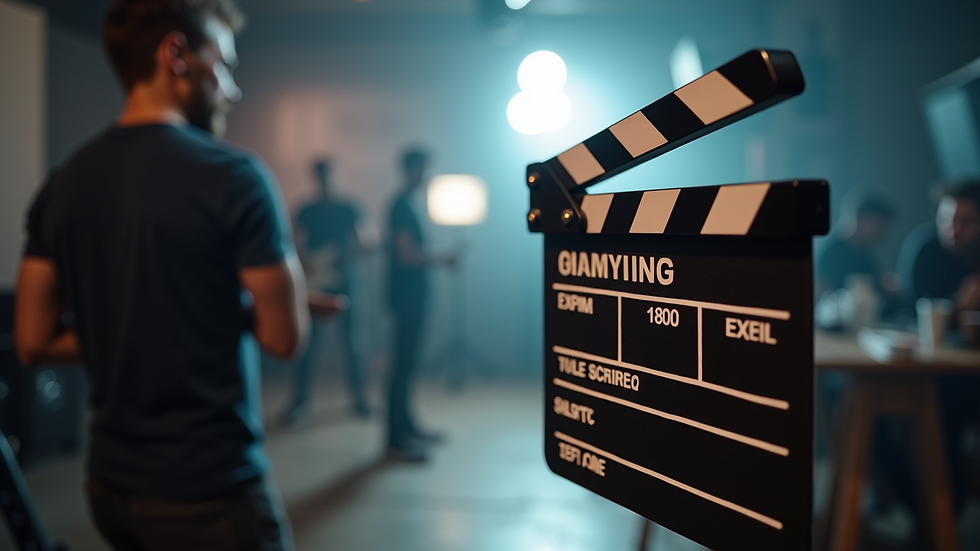
Practical Tips for Effective Cinematic Brand Film Production
Producing a cinematic brand film is a complex task. Here are practical tips to ensure success:
Keep the story audience-focused
Always think about what the audience cares about. Tailor the story to their interests and needs.
Invest in quality equipment
Good cameras, lenses, and sound gear make a big difference in the final product.
Use natural light when possible
It creates a more authentic and cinematic feel.
Shoot multiple takes
This gives options during editing and helps capture the best performance.
Incorporate music and sound design
Sound sets the tone and enhances emotional impact.
Test your film with a small audience
Gather feedback and make adjustments before the final release.
Optimize for different platforms
Consider how the film will be viewed - on social media, websites, or presentations - and format accordingly.
By applying these tips, you increase the chances of creating a film that not only looks great but also achieves its communication goals.
The Role of Cinematic Brand Film Production in Storytelling
I often recommend working with experienced professionals for cinematic brand film production. They bring the technical skills and creative insight needed to elevate a brand film.
A professional team can:
Translate your vision into a cinematic narrative
Handle complex logistics and technical challenges
Ensure high production values
Deliver a polished final product that aligns with your brand identity
Partnering with experts allows you to focus on your core business while trusting the film production process to skilled hands.
Bringing Your Brand Story to Life
Creating a cinematic brand film is a powerful way to communicate your message. It combines storytelling, artistry, and technology to produce content that resonates deeply.
Remember to:
Start with a clear, emotional story
Use cinematic techniques to engage viewers
Plan and execute with professionalism
Focus on authenticity and audience connection
When done right, cinematic brand storytelling becomes a valuable asset. It helps your brand stand out, build trust, and inspire action.
Investing in this art form is investing in your brand’s future.


Comments