

Mastering Cinematic Brand Storytelling: A Guide to Powerful Visual Narratives

Creating compelling video content is no longer optional. It’s essential for businesses, artists, and individuals who want to connect deeply with their audience. Cinematic brand storytelling transforms simple messages into memorable experiences. It combines the art of filmmaking with strategic brand communication to engage viewers on an emotional level.
I’ve learned that mastering this craft requires more than just technical skills. It demands a clear vision, a strong narrative, and a deep understanding of your audience’s needs. In this post, I’ll walk you through the key steps and insights to help you excel in cinematic brand storytelling.
The Power of Cinematic Brand Storytelling
Cinematic brand storytelling is about more than just showing your product or service. It’s about telling a story that resonates. When done right, it creates a lasting impression and builds trust. It’s a way to humanize your brand and make it relatable.
To start, focus on the story you want to tell. What emotions do you want to evoke? What values do you want to highlight? Use these answers to shape your narrative. Keep your story simple and authentic. Avoid jargon or complicated plots that might confuse your audience.
Visuals play a crucial role here. Use cinematic techniques like lighting, composition, and camera movement to enhance your story. For example, a slow-motion shot can emphasize a moment of triumph, while a close-up can capture subtle emotions.
Practical tips:
Write a clear script that outlines your story arc.
Use storyboards to plan your shots visually.
Choose locations and props that support your narrative.
Work with a skilled director and cinematographer to bring your vision to life.
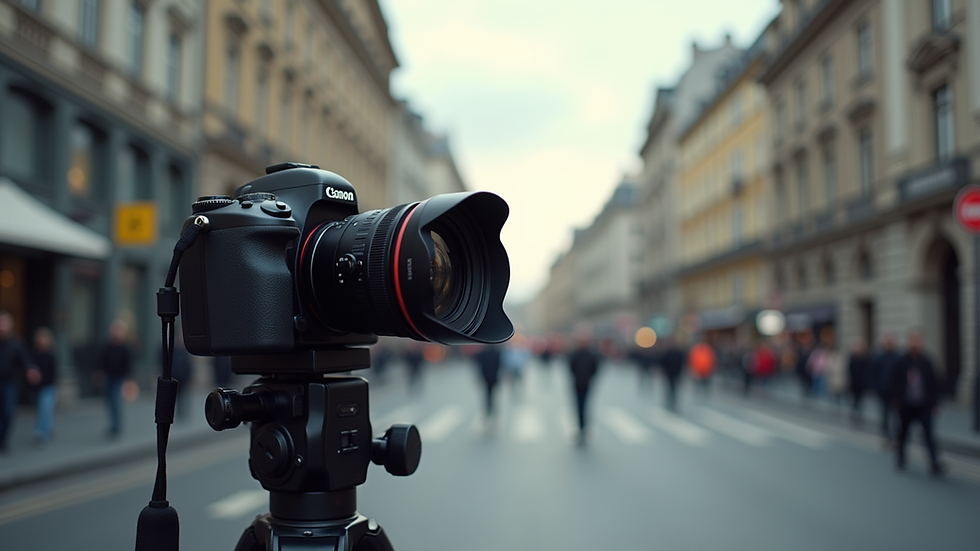
Crafting Your Visual Identity Through Cinematic Brand Storytelling
Your brand’s visual identity is the foundation of your cinematic storytelling. It includes your color palette, style, tone, and overall aesthetic. Consistency in these elements helps your audience recognize and remember your brand.
Start by defining your brand’s personality. Is it bold and adventurous? Calm and trustworthy? Your visual style should reflect this personality. For example, a luxury brand might use rich colors and elegant lighting, while a tech startup might prefer clean lines and futuristic visuals.
Incorporate your brand’s logo and colors subtly within the film. Avoid overusing them, as it can feel like an advertisement rather than a story. Instead, let the visuals and narrative carry the brand message naturally.
Actionable steps:
Develop a mood board with images, colors, and textures that represent your brand.
Select a consistent color grading style for your videos.
Use fonts and graphics that align with your brand’s voice.
Train your team to maintain visual consistency across all content.

What is it called when brands are in movies?
When brands appear in movies, it’s known as product placement. This technique integrates a brand or product into the storyline or background of a film. It’s a subtle way to increase brand visibility without interrupting the viewer’s experience.
Product placement can be highly effective if done naturally. For example, a character drinking a specific soda brand or using a particular smartphone can influence audience perception. However, it’s important to avoid forced or obvious placements, as they can distract or annoy viewers.
In cinematic brand storytelling, product placement can be a tool to enhance authenticity. Showing your product in real-life scenarios helps viewers relate to it. But remember, the story should always come first. The brand should support the narrative, not overshadow it.
Tips for effective product placement:
Integrate the product seamlessly into the story.
Use placements that fit the character’s lifestyle and setting.
Avoid overexposure to prevent viewer fatigue.
Collaborate closely with filmmakers to maintain creative control.
Planning and Executing Cinematic Brand Film Production
Producing a cinematic brand film requires careful planning and execution. It starts with a clear concept and ends with a polished final product. Every step matters, from pre-production to post-production.
Pre-production involves scriptwriting, casting, location scouting, and scheduling. This phase sets the foundation for a smooth shoot. Make sure your team understands the story and the brand’s goals.
During production, focus on capturing high-quality footage. Use professional cameras, lighting, and sound equipment. Direct your actors or presenters to deliver authentic performances. Pay attention to details like framing and camera angles to enhance the cinematic feel.
Post-production is where everything comes together. Editing, color grading, sound design, and visual effects refine your film. This stage can make a huge difference in the final impact of your story.
I recommend using cinematic brand film production services if you want expert support. They bring experience and creativity that elevate your project.
Checklist for production success:
Develop a detailed production schedule.
Hire experienced crew members.
Use high-quality equipment.
Review footage regularly to ensure consistency.
Allocate enough time for thorough post-production.
Measuring the Impact of Your Cinematic Brand Storytelling
Creating a cinematic brand film is just the beginning. To maximize its value, you need to measure its impact. This helps you understand what works and where to improve.
Track key performance indicators (KPIs) such as:
Viewer engagement (likes, shares, comments)
Watch time and completion rates
Website traffic driven by the video
Conversion rates or sales influenced by the film
Use analytics tools on platforms like YouTube, Vimeo, or social media to gather data. Pay attention to audience feedback and sentiment. This qualitative insight can guide your future storytelling efforts.
Adjust your strategy based on these findings. For example, if viewers drop off early, consider shortening your videos or making the opening more captivating. If engagement is high, replicate the successful elements in new projects.
Ways to boost impact:
Promote your film across multiple channels.
Use targeted advertising to reach your ideal audience.
Encourage viewers to share and comment.
Update your content regularly to stay relevant.
Mastering cinematic brand storytelling is a journey. It requires creativity, strategy, and attention to detail. By focusing on authentic narratives, consistent visuals, and professional production, you can create videos that truly connect and inspire. Keep refining your approach, and your brand will stand out in a crowded market.


Comments